Discover the Key Services Delivered by a Professional Arborist for Optimal Tree Health
A professional arborist offers a range of services vital for keeping trees healthy and enhancing landscapes. Their expertise in tree pruning encourages growth and minimizes threats. They also diagnose and manage tree diseases, ensuring tailored treatment plans are established - Florence Arborist. Additionally, arborists handle safe tree removals and help with planting and transplanting. Their role is especially important during critical situations like storm damage. Being aware of these services can greatly impact one’s approach to tree care
The Significance of Tree Pruning
Although many homeowners might ignore the necessity of tree pruning, it plays an essential role in preserving the health and aesthetics of trees. Effective pruning assists trees in building a robust structure, taking away dead or sick branches that could present dangers. By judiciously pruning limbs, the tree can focus its energy on healthy growth, promoting better air circulation and sunlight penetration. Additionally, pruning can enhance the overall appearance of the tree, shaping it for aesthetic appeal in residential landscapes.
Moreover, regular pruning can prevent potential hazards, such as falling branches during storms or high winds, which could cause property destruction or injure individuals. It also assists in avoiding of insect problems and diseases by boosting the tree's resistance. Ultimately, investing in professional arborist services for tree pruning ensures trees stay healthy, safe, and aesthetically appealing, contributing considerably to the overall beauty and value of the property.
Identifying and Treating Tree Diseases
Tree health can be significantly impacted by a range of diseases that may not always be immediately evident. A professional arborist plays an essential role in diagnosing these conditions early, utilizing a combination of visual inspections and testing equipment. Symptoms such as unusual leaf coloration, wilting, or abnormal growth habits often signal underlying health issues. Arborists assess these symptoms to identify specific diseases, whether fungal, bacterial, or viral in nature.
When the problem is identified, the professional designs a tailored management plan. The plan often involves focused interventions, such as fungicides or bactericides, and maintenance techniques that improve the tree's strength. Furthermore, adequate irrigation, mulching, and feeding can significantly boost the vitality of the tree and resistance to diseases. Routine check-ups and subsequent care are essential for effective management, securing the long life and vigor of the trees. By addressing tree diseases proactively, arborists help maintain the beauty and ecological benefits provided by healthy trees.
Safe Tree Removal Practices
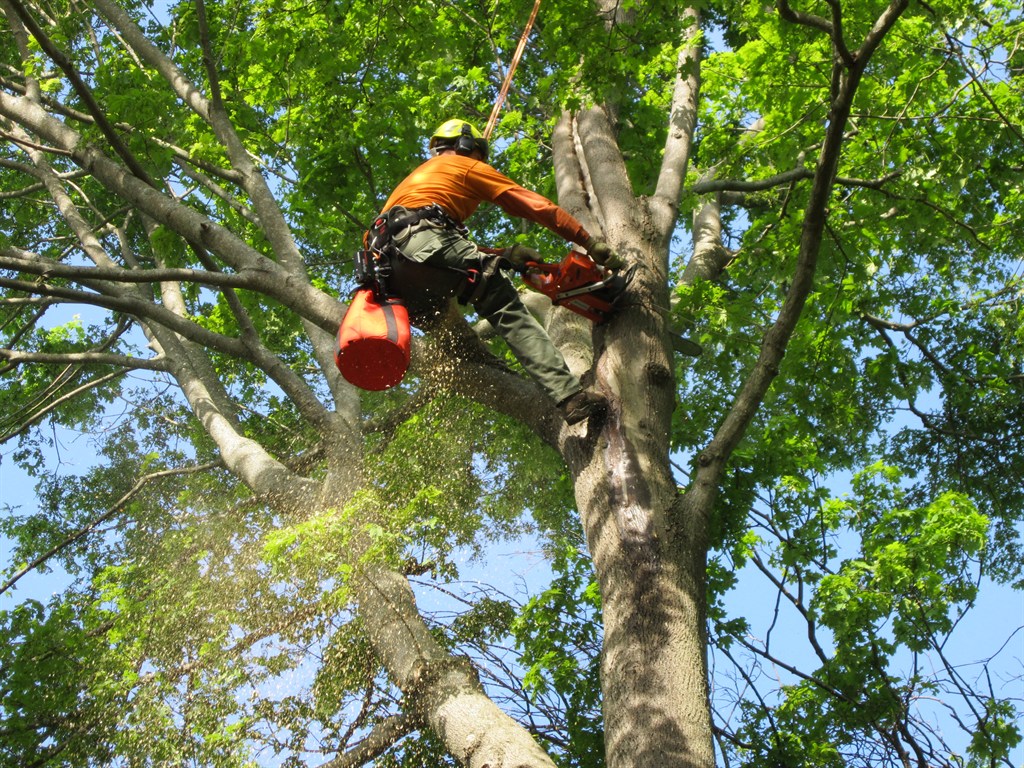
Effective tree removal practices are essential for guaranteeing the safety of the crew and limiting harm to surrounding property. Qualified professionals utilize a thorough assessment of the state of the tree, where it is situated, and the immediate vicinity before beginning the felling process. Arborists use specific tools, such as chainsaws and rigging gear, to guarantee precise cuts and maintain control while cutting down the tree.
A thoughtful felling approach includes identifying potential hazards, such as power lines or nearby structures, which can impact the safety of the operation. Professionals commonly utilize the process called "sectional dismantling," in which the tree is taken apart in smaller segments, minimizing the danger from falling material.
Moreover, professionals comply with municipal guidelines to ensure adherence and environmental stewardship. Following the extraction, proper cleanup and disposal of the tree debris, stump treatment as well, help improve the overall security and visual appeal of the area.
Guidelines for Tree Installation
The process of tree establishment requires careful consideration of site selection and installation methods to guarantee long-term health and successful establishment. Choosing the correct site significantly influences a tree's development, whereas good planting practices minimize stress and encourage the tree to thrive. Tree specialists highlight these elements as vital for boosting the vigor and longevity of trees in various settings.
Proper Site Selection
Selecting an appropriate site for planting or transplanting trees is critical to their long-term health and growth. Elements like soil quality, the amount of sun, and water flow needs careful consult this source consideration. Tree care professionals assess the site's characteristics, making sure that the planting location offers sufficient nourishment and stability for the specific tree type. Additionally, the nearness to established constructions and surrounding flora is critical to prevent competition for resources and avoid potential damage. Experts must also evaluate the tree’s mature size and root system, ensuring sufficient space for growth. Through a comprehensive site evaluation, arborists enable clients reach educated conclusions that promote healthy, thriving trees, ultimately enhancing the landscape’s aesthetic and ecological value.
Best Practices for Planting
Once the site has been carefully assessed and selected, the next step involves applying the best tree installation practices. Preparing the planting hole correctly is crucial; it should be two times wider than the root mass and not deeper than the root mass. The tree should be placed in the hole so that the top of the root ball is level with the surrounding soil. Refill using the original dirt, ensuring there are no air pockets, and soak the area well to encourage early root growth. Mulching around the base assists in keeping water in and suppress weeds. Florence Arborist. For transplanting existing trees, it’s important to minimize root disturbance and transplant during dormancy for the best chance of survival. Adhering to these methods encourages strong vitality and long life
Arborist Action Following Severe Weather
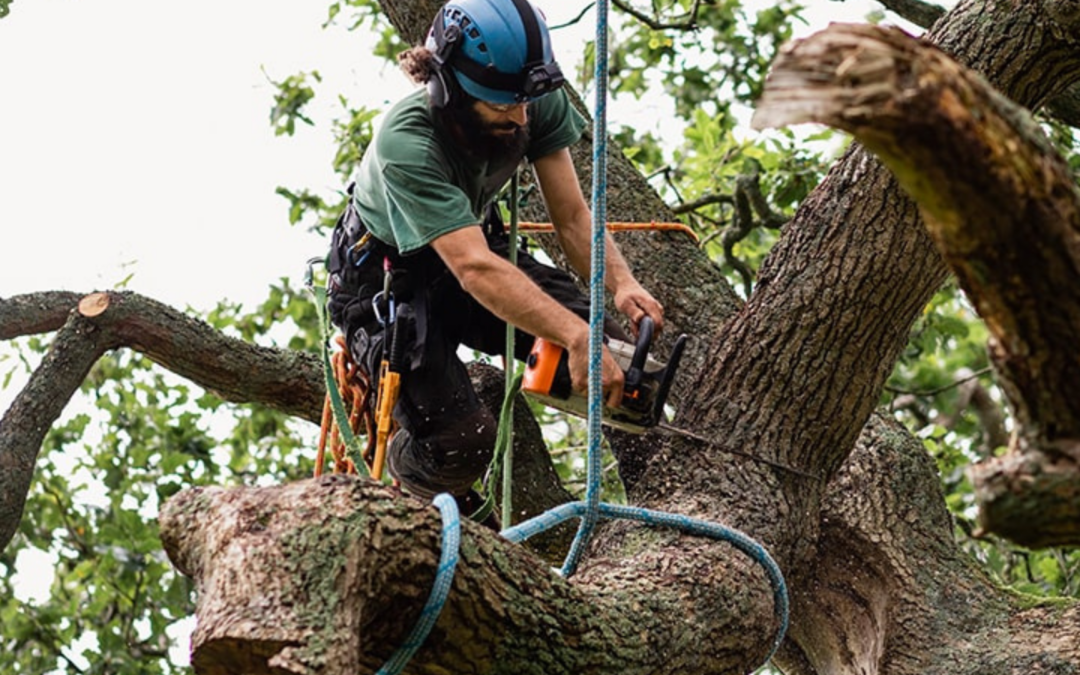
When severe storms strike, the aftermath can leave trees in dangerous states, posing risks to property and safety. Trained arborists are essential in immediate action, assessing trees harmed by the storm to check how safe and healthy they are. Their expertise allows them to identify which trees are recoverable and which pose imminent hazards that require extraction.
Equipped with specialized tools, tree experts are able to securely trim fractured limbs and remove wreckage, reducing additional harm to adjacent property. The experts also give useful recommendations on preventive measures, such as choosing sturdy types of trees for upcoming installations.
Apart from the initial cleanup, arborists help homeowners understand the possible lasting consequences of the storm, giving counsel on how to repair and revive. By responding rapidly and capably, certified tree experts safeguard assets but also aid in the recovery of the local environment following major weather events.
Nutritional Support and Soil Management
Following the aftermath of storm damage, attention turns to the well-being of the trees that remain, highlighting the significance of nutritional support and ground care. A professional arborist assesses soil conditions and tree vitality to ascertain precise nutrient requirements. Trees require vital elements, like nitrogen, phosphorus, and potassium, to recover and thrive after stress events.
Ground care is vital to how nutrients are accessed and root development. Tree specialists often suggest soil amendments, such as organic matter, to enhance soil structure and microbial activity. Proper pH levels are also evaluated, as they impact how nutrients are absorbed.
Applying mulch can keep the ground moist and keep weeds down, creating an ideal environment for the tree's recuperation. Through the creation of a comprehensive nutrient strategy and applying successful ground care techniques, arborists make certain trees recover their vigor, resilience, and overall health, a factor essential to maintaining a balanced ecosystem in the wake of ecological disruptions.
FAQs
When Should My Trees Be Checked?
Trees should ideally be inspected annually for maximum vitality. However, more regular inspections may be necessary for younger trees, post-major weather incidents, or if any signs of distress or disease are observed.
Which Credentials Should I Seek in an Arborist?
When seeking an arborist, one should look for credentials such as ISA (International Society of Arboriculture) accreditation, applicable work history, proper liability insurance, and a strong reputation within the community, confirming knowledge in arboriculture and safety practices.
Are There Specific Tools Arborists Use for Tree Care?
Arborists utilize a range of unique equipment for tree care, such as chainsaws, pruning shears, climbing gear, and stump grinders. Each tool serves a specific purpose, facilitating good care, pruning, and removal of trees and boosting total well-being and safety.
What is the Influence of Climate on Tree Health?
Weather conditions greatly impact tree health; excessive rain can lead to root rot, while lack of water weakens trees. Temperature extremes may cause damage to leaves and branches, ultimately affecting development, sturdiness, and overall strength of the trees.
Should I handle my own tree maintenance, or Should I Hire a Professional?
Even though a few fundamental tree care duties are manageable by homeowners, it is usually recommended to hire an expert - Florence Arborist. Experts possess specialized knowledge and tools, ensuring that trees receive the proper care necessary for optimal development and health